iPhone 18 Pro details exposed in Tata Electronics breach
The Breach
Response and Fallout
Wider Implications
Freakonomics Rev Ed
Freakonomics arrived in 2005 as a Trojan horse.

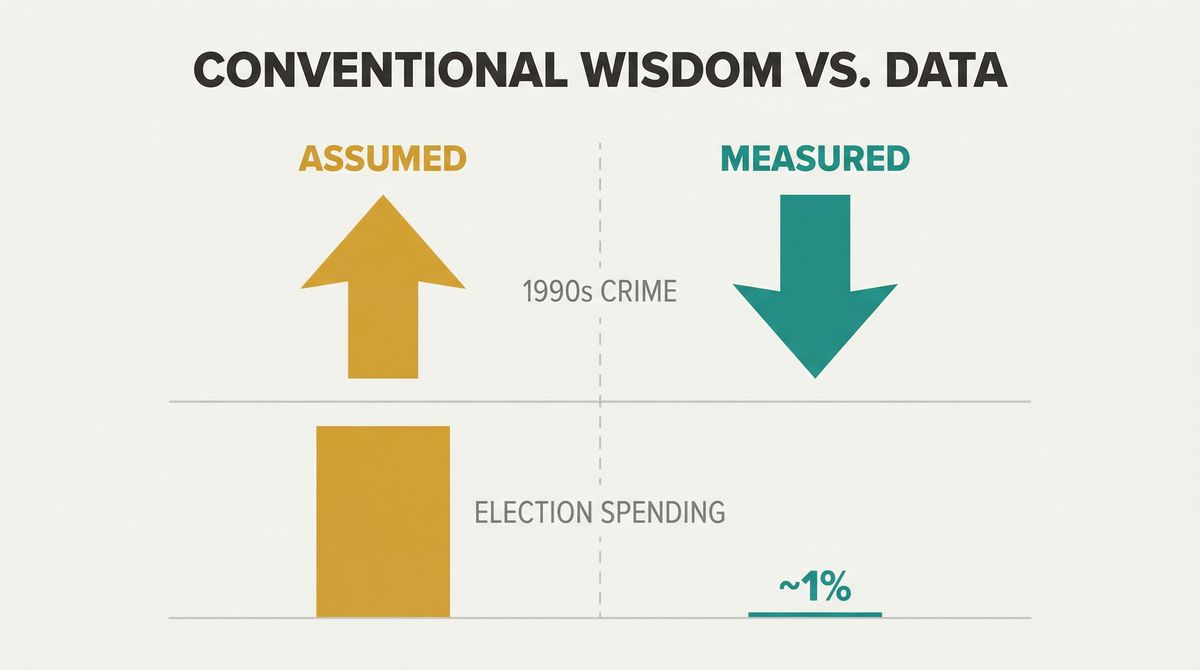
Packaged as pop entertainment — sumo scandals, crack dealers' budgets — it smuggled in a genuinely radical epistemological argument: that most expert knowledge about social phenomena is really conventional wisdom laundered through credentials and media repetition. The book's deepest contribution isn't any single finding; it's the demonstration that a handful of analytical principles — follow incentives, distinguish correlation from causation, exploit natural experiments — can overturn decades of received wisdom.
The book essentially invented a genre. Before Freakonomics, the idea that an economist might study sumo wrestling or baby names was considered trivial. Levitt's work helped legitimize an empirical, question-driven approach to social science that prioritized clever identification strategies over grand theory. This 'credibility revolution' in economics has since transformed the discipline, with natural experiments now considered the gold standard.
The book has aged unevenly.
The abortion-crime thesis remains hotly debated — subsequent scholars have both supported and challenged the findings, and the authors themselves had to correct an error identified by Foote and Goetz while arguing their corrected results still held. The real estate agent study anticipated the broader collapse of trust in expert intermediaries that platforms like Zillow would accelerate. The parenting chapter's emphasis on 'who you are' over 'what you do' presaged the behavioral genetics revolution that has only strengthened the case for genetic influence.
What's most striking in retrospect is the book's studied amorality — its insistence that economics describes how the world works without prescribing how it should. This gives intellectual freedom but sometimes reads as evasion. The abortion-crime chapter carefully avoids policy recommendations, leaving readers with a powerful statistical relationship and no guidance on what to do with it. That tension — between the power of data to reveal uncomfortable truths and the inadequacy of data alone to resolve moral questions — remains the book's most productive provocation.
The Art of War Landmark Edition
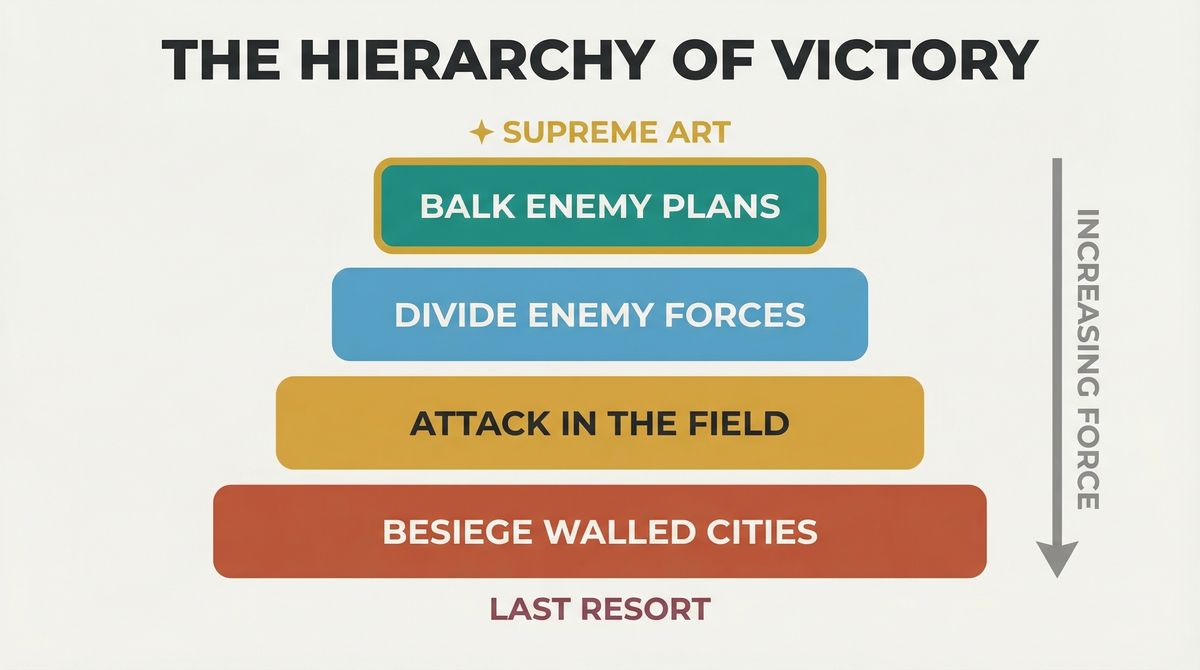
The Art of War endures not because it teaches how to fight, but because it teaches when not to.

Written roughly 2,500 years ago and attributed to the semi-mythical Chinese general Sun Tzu, this slim treatise operates on a paradox that still startles: the supreme warrior is the one who never draws his sword. Its continued relevance across military academies, corporate boardrooms, and coaching staffs stems from a Taoist philosophical foundation that Western strategic thinkers largely missed. Where Clausewitz — the Prussian theorist who dominated European military thought — normalized war as 'politics by other means' and advocated pursuing it to absolute ends, Sun Tzu treated war as a catastrophic last resort whose aim was the swift restoration of normalcy. British military historian B.H. Liddell Hart argued in 1963 that civilization could have been 'spared much of the damage suffered in the world wars' had Clausewitz's influence been tempered by Sun Tzu's realism and moderation.
What makes the text remarkable is its fractal applicability.
The core principles — deception, intelligence, adaptability, restraint — scale cleanly from geopolitics to salary negotiations to parenting disputes. The water metaphor alone contains a complete strategic philosophy: be formless, find the path of least resistance, and when the moment arrives, be irresistible. This is not brute-force thinking; it is systems thinking rooted in ecological observation of how nature actually resolves conflict.
The Landmark Edition's pairing with the Tao Te Ching illuminates something routinely missed in popular readings: Sun Tzu's tactical genius is downstream of Lao Tzu's metaphysics. The insistence on softness overcoming hardness, on the power of emptiness, on the lethal danger of rigidity — these are not incidental themes. They are the operating system on which every specific tactic runs. Readers who absorb only the tactical surface without grasping the Taoist architecture beneath it will possess the letter of the teaching but miss its animating spirit — precisely the error Sun Tzu warns his generals against making.
Elon Musk
Ashlee Vance's biography accomplishes something rare in business nonfiction

it presents a subject who is simultaneously admirable and disturbing without resolving the tension. Vance doesn't redeem Musk or condemn him. He shows you the man who paid for an employee's Lasik surgery on impulse and the man who fired his twelve-year executive assistant without ceremony. The reader is left to adjudicate.
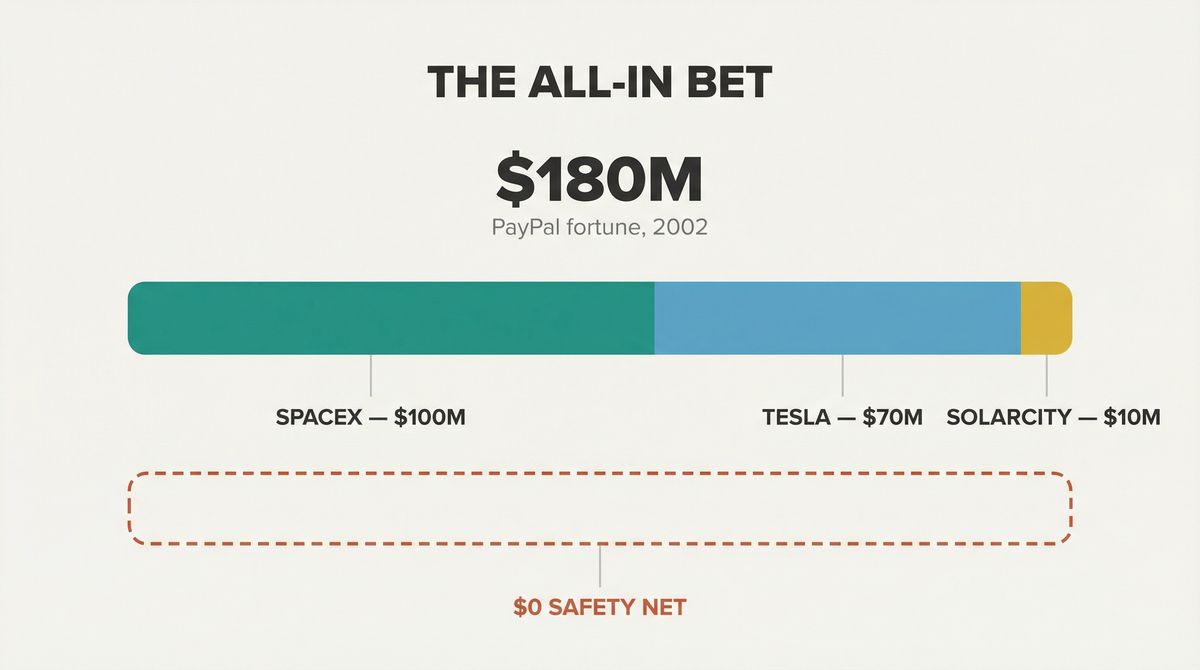
The book's enduring intellectual contribution is its documentation of a managerial archetype the MBA curriculum cannot produce. Musk combines the depth of a specialist with the breadth of a generalist — knowing enough about rocket propulsion to correct an engineer's quantum mechanics equation while simultaneously negotiating NASA contracts and redesigning car door handles. This polymathic intensity isn't merely biographical curiosity; it's a competitive moat. Competitors who separate 'the business guys' from 'the engineering guys' cannot iterate at Musk's speed.
What distinguishes Vance's account from typical Silicon Valley hagiography is his treatment of the human cost.
The book catalogs destroyed marriages, engineers who burned out at thirty, and a corporate culture where being told 'you're off the project' is the mildest feedback. Vance traces this directly to Musk's traumatic childhood — the bullying, the psychological abuse, the isolation — creating an implicit argument that extreme achievement and extreme dysfunction may share the same root system.
The book's notable limitation is its 2015 publication date, capturing Musk at peak credibility before the Twitter acquisition, Model 3 production hell, and increasingly polarizing public persona. In retrospect, it reads as the high-water mark of the 'visionary Elon' narrative. Yet the core business insights endure: vertical integration beats outsourcing in complex hardware, first-principles thinking defeats convention, and a sufficiently compelling mission can extract superhuman effort from ordinary people — at least until they break.
Zero to One

Zero to One is part manifesto, part anti-textbook.
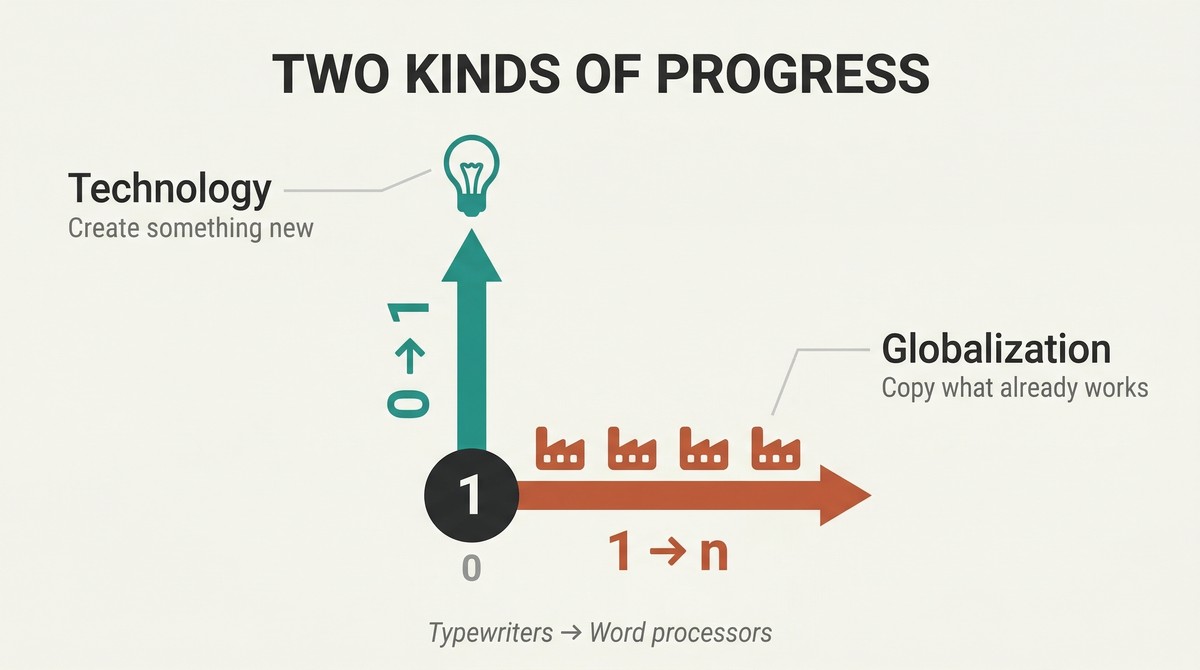
It deliberately subverts conventional MBA wisdom at nearly every turn — monopoly over competition, planning over iteration, boldness over incrementalism. The book's intellectual DNA draws from Schumpeterian creative destruction (capitalism progresses through monopolies that displace incumbents), René Girard's mimetic theory (which informs Thiel's view of competition as unconscious imitation between similar rivals), and a strain of libertarian futurism that distrusts both bureaucratic regulation and crowd consensus.
What makes the book enduringly provocative is its willingness to state uncomfortable positions as simple truths. Thiel doesn't hedge when he calls competition destructive or declares capitalism and competition opposites. This rhetorical strategy — framing contrarian positions as overlooked common sense — is itself a masterclass in the hidden salesmanship the book describes.
The most underappreciated tension in Zero to One is between its determinism and its humility. Thiel argues forcefully for definite planning, yet acknowledges that 'no authority can prescribe in concrete terms how to be innovative.' The seven questions framework gives structure without guaranteeing outcomes. This is philosophically honest: the book offers lenses for thinking, not recipes for cooking.
The book's blindspots deserve mention.
Thiel's monopoly argument works elegantly for software companies with near-zero marginal costs but applies less neatly to industries with physical constraints. His survivorship bias is acute: we hear about PayPal's boldness but not the equally bold companies that crashed alongside Pets.com. The cleantech chapter, while brilliant as strategic analysis, may overstate how predictable those failures were in real time.
Still, Zero to One's lasting contribution is cultural more than tactical. It gave Silicon Valley an intellectual framework for ambition at a time when post-crash timidity had become orthodoxy. Its central provocation — that creating something genuinely new is both harder and more important than optimizing what exists — remains the most productive question any entrepreneur can sit with, even a decade after publication.
The 48 Laws of Power
Robert Greene's The 48 Laws of Power holds a rare position in modern nonfiction

part history book, part strategy manual, part philosophical provocation. Drawing from three millennia of examples — Sun-tzu to Bismarck, Medici bankers to Mao's guerrillas — Greene distills what he sees as the unchanging mechanics of human power dynamics. The result is less a prescriptive playbook than a diagnostic toolkit for reading the hidden architecture beneath every social interaction.
What makes the book endure is its radical amorality. Unlike most self-help works, which start with ethics and work backward, Greene begins with raw observation. He asks not 'What should people do?' but 'What actually works?' This places him in the Machiavellian tradition, and like Machiavelli, he has been celebrated and condemned for articulating what most people practice in silence.
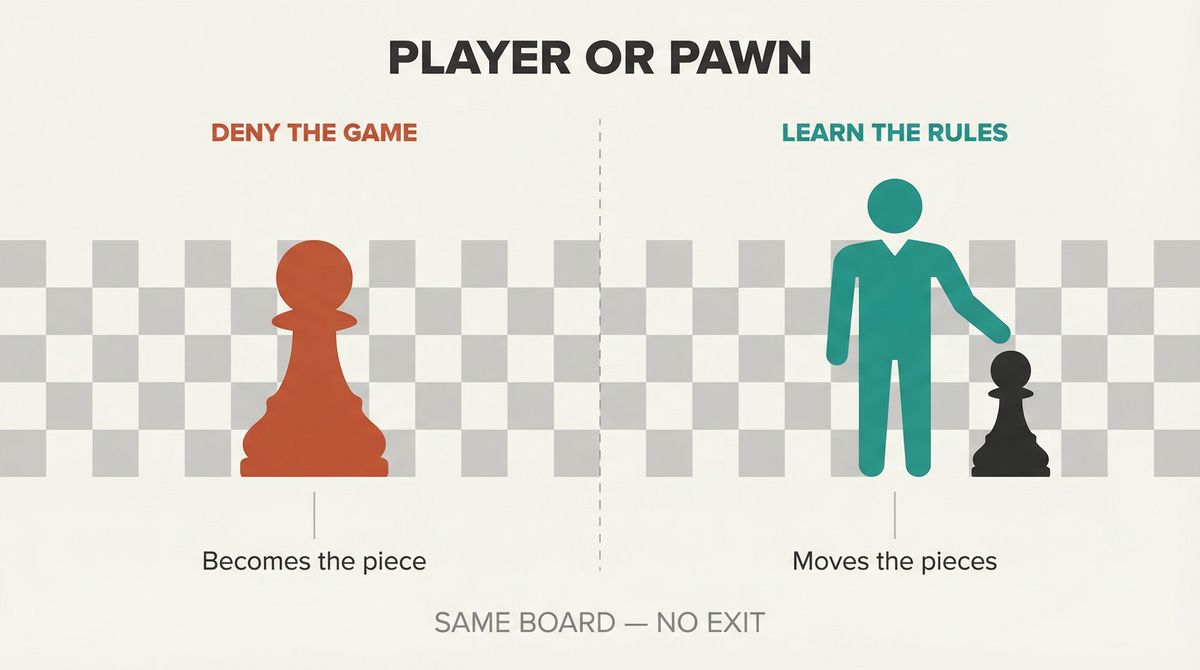
Greene's most subversive claim is his opening argument
that those who loudly reject power games are often the most skilled players. The person who advertises moral purity is deploying concealment; the radical egalitarian redistributes power on their own terms. This Nietzschean suspicion of virtue as a mask for will-to-power is the philosophical engine driving all 48 laws.
Critics rightly note that Greene assumes a largely zero-sum world. Not every interaction is a contest, and not every generous act conceals a blade. The framework works best not as a life philosophy but as a literacy course — teaching readers to decode situations the way a chess player reads a board. In an era of corporate politics, social media performance, and algorithmic influence, that literacy is arguably more relevant than when the book appeared in 1998.
The apparent contradictions between certain laws — 'Court Attention' versus 'Behave Like Others' — are not flaws but features. They reflect Greene's deeper thesis: context determines everything, and the truly powerful sense which principle each moment demands. The numbered format promises algorithmic certainty, but the actual message is its opposite: fluidity over formula, adaptability over dogma.
Deep Work by Cal Newport
Newport's most enduring contribution isn't the observation that focus matters

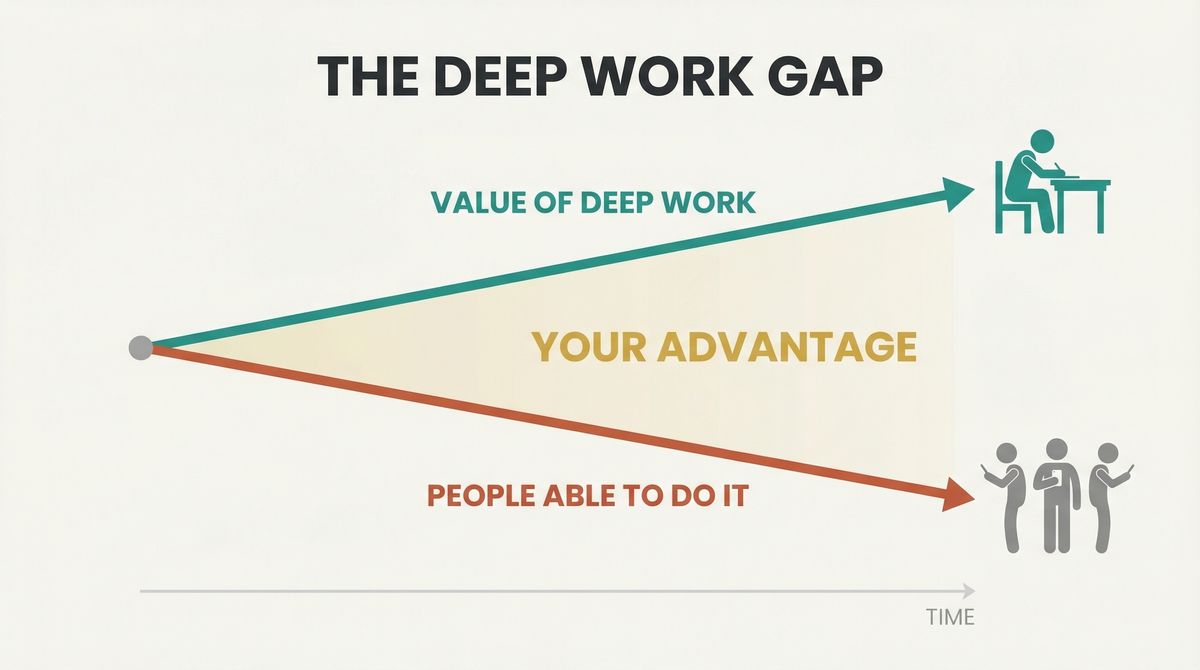
everyone knows that abstractly. It's his reframing of deep work as an economic arbitrage opportunity rather than a lifestyle preference. By positioning concentration as simultaneously scarce and valuable, he transforms what sounds like productivity advice into career strategy. The metric black hole concept is perhaps the book's most underappreciated insight: depth-destroying behaviors survive not because they're effective, but because their costs are invisible. This explains why entire industries adopt open offices and always-on messaging despite mounting evidence of damage — the same invisibility that protects executive salaries untethered from marginal productivity.
Where Newport is less convincing is in his treatment of collaboration. The hub-and-spoke model — separate serendipitous encounters from deep thinking — is elegant but underspecified for workers who can't choose their office architecture. His dismissal of the Jack Dorsey counterexample is also too tidy; the line between 'CEO who legitimately needs distraction' and 'manager who merely believes they do' is blurrier than he admits.
The book's lasting cultural influence comes from its vocabulary.
Terms like 'deep work,' ' shallow work,' and 'attention residue 'gave professionals a shared language for negotiating how they spend their time. Before Newport, requesting uninterrupted hours sounded like a productivity excuse; after Newport, it sounds like a strategic investment. The adapted 4DX framework — tracking deep work hours on a visible scoreboard — is deceptively powerful because it addresses the core behavioral problem: people optimize what they measure.
Published in 2016, Deep Work has aged remarkably well because the trends it diagnosed — notification creep, performative busyness, open-plan worship — have only accelerated. The rise of remote work, Slack, and AI tools since publication has widened the gap between those who can concentrate and those who cannot, making Newport's thesis more urgent than even he predicted.
The 7 Habits of Highly Effective People
Published in 1989 — the same year the Berlin Wall fell

The 7 Habits has sold over 25 million copies and remains the foundational architecture of the personal development genre. What accounts for its durability while hundreds of contemporaries have vanished?
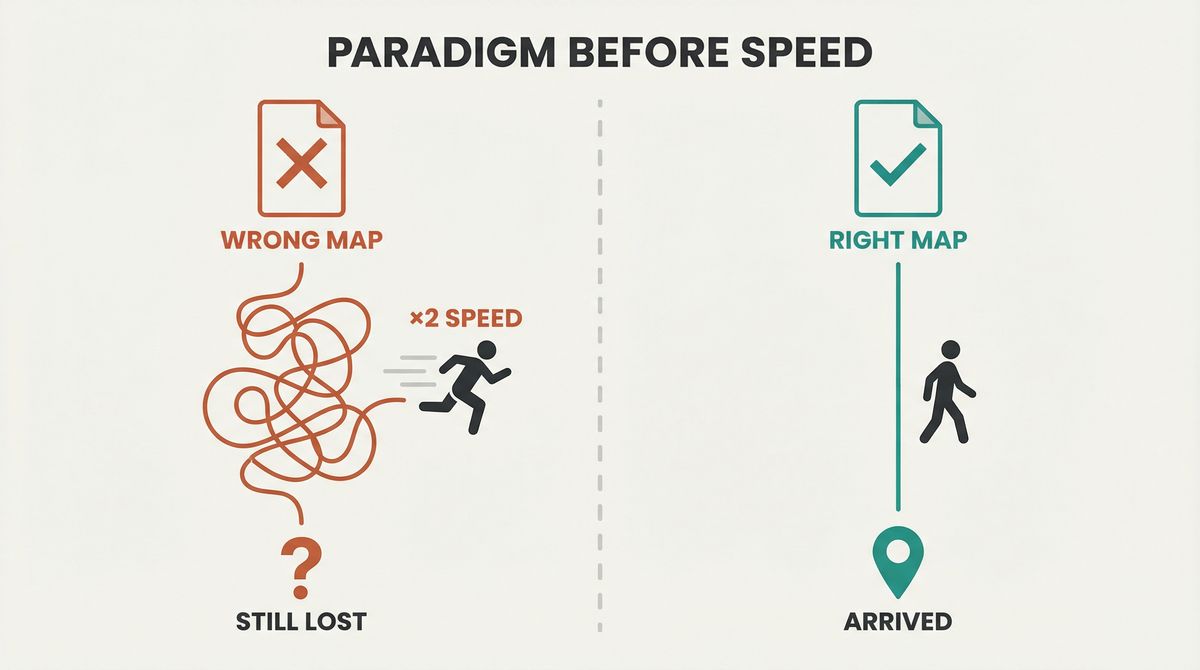
The answer lies in Covey's structural decision to operate at the paradigm level rather than the practice level. Where most self-help books offer actionable tips ('five ways to listen better'), Covey argues that tips are worthless unless the underlying character supports them. The Personality Ethic produces short-term social gains that collapse under pressure; the Character Ethic compounds. This distinction maps neatly onto modern research on psychological safety, intrinsic motivation, and trust — domains that barely existed as academic fields when Covey was writing.
The book's developmental sequence — dependence to independence to interdependence — mirrors what developmental psychologists from Piaget to Kegan have described. What remains radical is Covey's insistence that independence, the holy grail of American culture, is a waypoint, not a destination. This was counterintuitive in 1989 and arguably more so today, as the self-optimization movement often glorifies lone-wolf productivity over collaborative creation.
The framework's weakness is its idealism.
Covey's anecdotes resolve almost too neatly — the proactive executive always gains respect, the empathic listener always closes the deal. Power asymmetries, systemic injustice, and personality disorders receive no sustained attention. The book implicitly assumes that principled behavior is eventually rewarded, which is aspirational but incomplete as a model of how the world actually works.
Still, several contributions are genuinely durable. The P/PC Balance reframes every resource allocation decision in life. The Emotional Bank Account remains arguably the most useful metaphor for trust in popular psychology. And the Character Ethic versus Personality Ethic distinction has become more prescient with each passing year of social media, personal branding, and performative authenticity. Covey diagnosed the disease of superficial success before most people had the vocabulary for it.
The Psychology of Money
The Psychology of Money is an anthology of twenty loosely linked essays unified by a single thesis

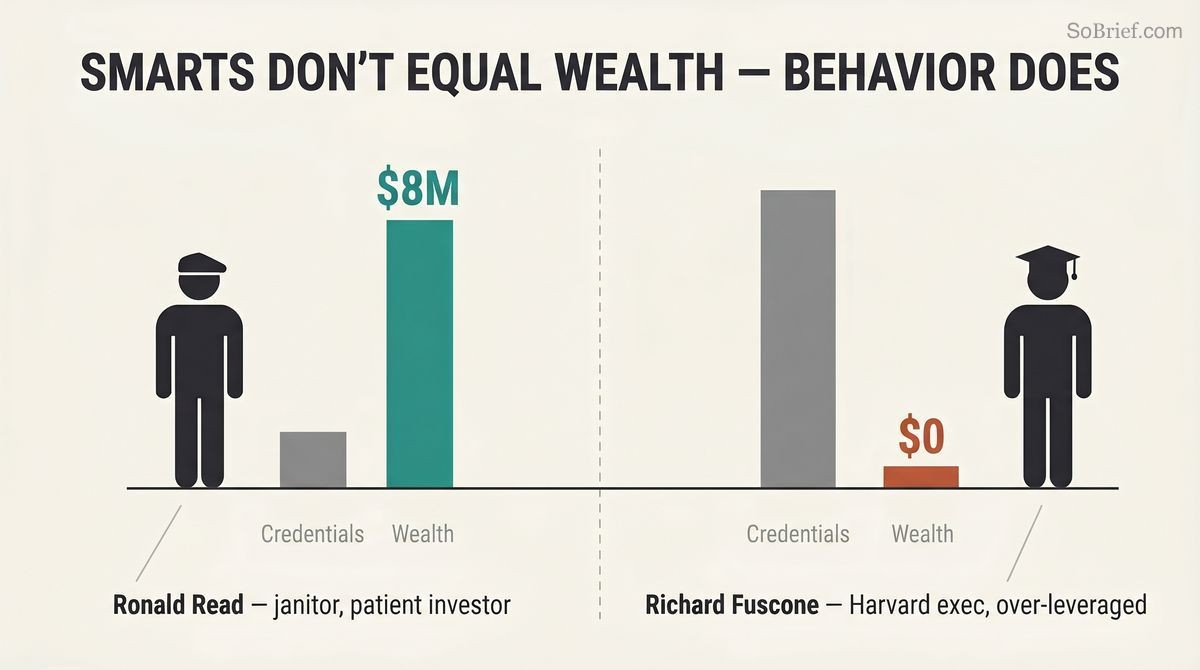
financial success depends far more on behavior, temperament, and emotional self-regulation than on intelligence, formulas, or market knowledge. Morgan Housel, a former columnist who began writing during the 2008 crisis, structures the book as a sequence of vivid parables (a janitor who outsaved a Harvard executive, Gates and his doomed friend, Livermore's rise and ruin) rather than a rigid framework, which makes it memorable but occasionally repetitive. The danger in summarizing it is that its power lives in the stories, not in abstractable principles; strip the anecdotes and you risk reducing rich insight to fortune-cookie maxims. The book sits at the intersection of behavioral economics and Stoic-adjacent life philosophy. Its intellectual lineage runs through Kahneman, Thaler, and Taleb, but Housel's contribution is translation: he renders academic findings into kitchen-table wisdom. His strongest, most original moves are the redefinitions, wealth as the spending you cannot see, savings as the gap between ego and income, volatility as a fee rather than a fine. These reframings perform genuine cognitive work, converting abstract concepts into actionable mental postures.
The book's limitations are worth naming.
It is largely silent on systemic constraints, structural inequality, discrimination, and the reality that for many people the savings gap is not a choice but an impossibility, though the closing postscript on the American consumer partially redeems this. The advice is also tilted toward people who already have surplus income to manage. Its survivorship bias is real: counsel patience and frugality and you will produce Ronald Reads, but also unlucky savers crushed by timing. Still, as a corrective to the math-obsessed, return-chasing default of personal finance culture, it is unusually humane, durable, and quietly radical in insisting that the goal of money is not more money but autonomy over one's own time.
Steve Jobs by Walter Isaacson
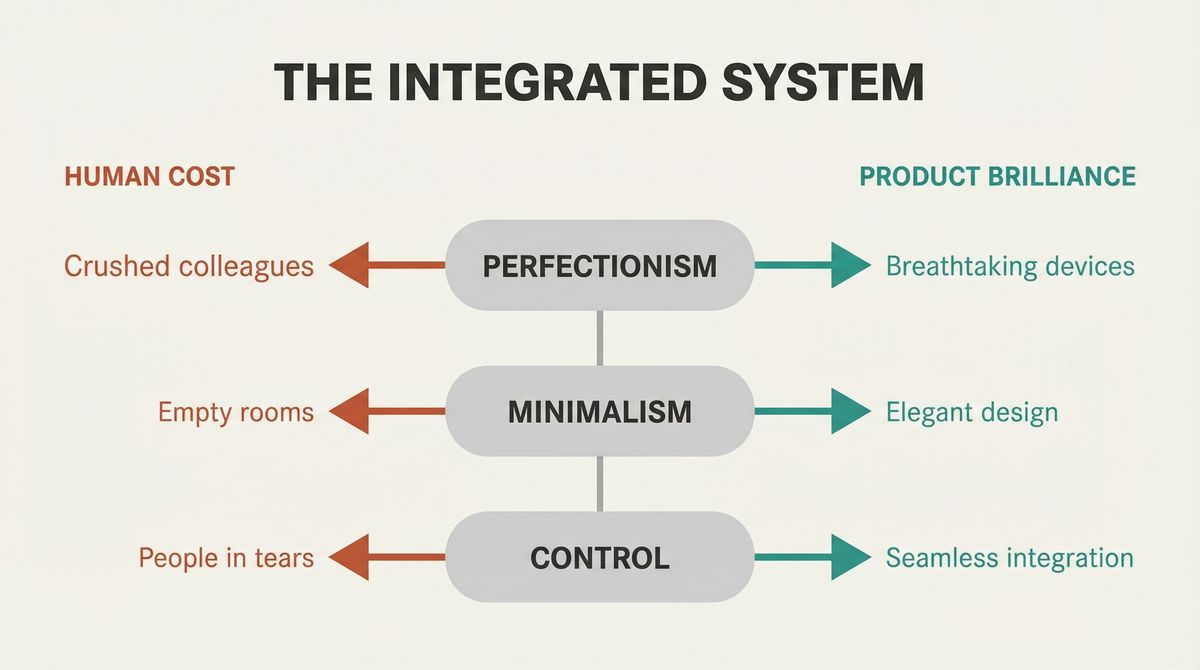
Isaacson's biography operates on a central paradox that no amount of hagiography or criticism can resolve: Jobs's cruelty and his creativity were fed by the same neural wiring. The reality distortion field that enabled the iPhone also delayed cancer treatment. The controlling perfectionism that produced seamless devices also destroyed relationships. The book's genius is in refusing to untangle these threads and instead presenting them as a single braid.

The most underappreciated insight is structural.
Jobs didn't just design products — he designed an organization incapable of the compromises that destroy great products. Apple had no divisional P&Ls, no consensus-driven product reviews, no tolerance for B-players in A-player meetings. This organizational architecture is harder to replicate than any specific product, which is why competitors who copied Apple's designs consistently failed to match its execution.
Isaacson's framing of the closed-versus-open debate deserves scrutiny. He presents it as a philosophical disagreement between Jobs and Gates, but the evidence suggests something more pragmatic: closed integration works spectacularly when you have a taste-making genius at the helm, and open systems work better when you don't. The question Isaacson leaves unresolved — whether Apple's integrated approach survives without its reality-distorting founder — is the most consequential business question of the post-Jobs era.
The biography has an important limitation
it was completed while Jobs was dying and cooperating fully. Isaacson was remarkably candid about Jobs's flaws, but the proximity to death inevitably shaped the narrative toward legacy-building. The sections on Jobs's abandoned daughter Lisa, his treatment of early Apple employees like Daniel Kottke, and his initial refusal of cancer treatment are presented with more sympathy than pure journalism might have afforded. Still, the result is the most complete portrait we will likely ever have of a figure whose influence on how humans interact with technology is rivaled only by the inventors of the printing press and the personal computer itself.
The Subtle Art of Not Giving a F*ck
Manson's book is a Trojan horse

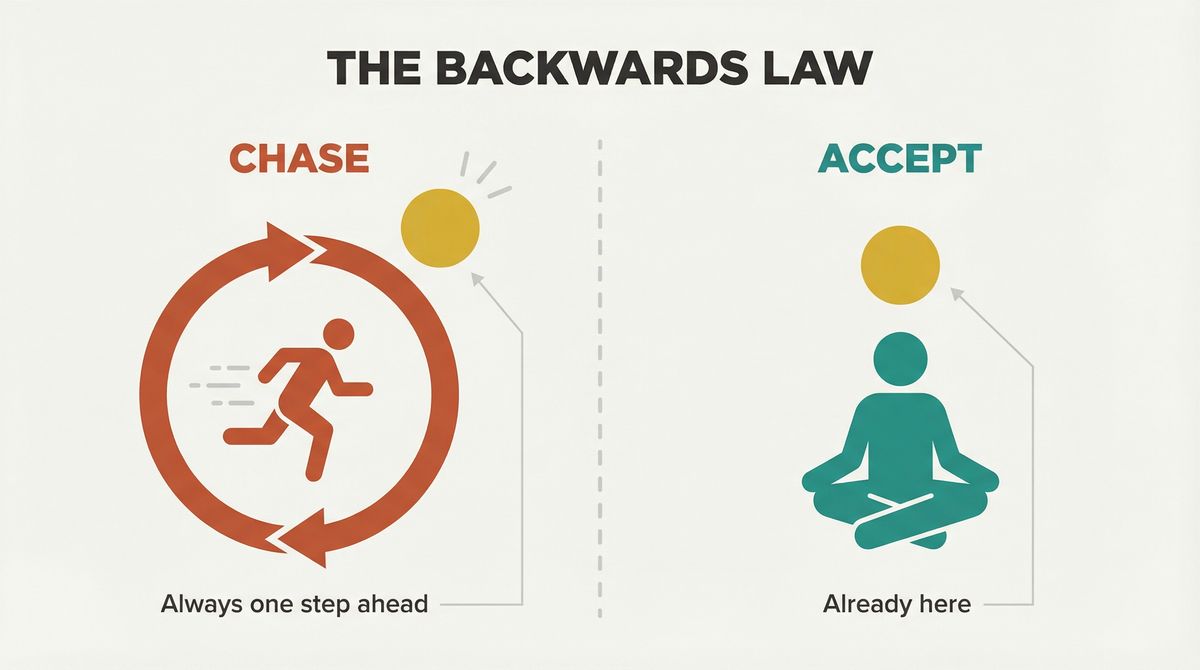
Stoic philosophy, existentialist thought, and Buddhist psychology packaged inside profanity-laced millennial-speak. The intellectual lineage is unmistakable — Alan Watts's backwards law, Camus's absurdism, Becker's terror management theory, and the shadow of Frankl's meaning-through-suffering thesis all appear, rebranded for readers who would never open The Denial of Death.
What elevates this above typical contrarian self-help is its values-first framework. Where most books in the genre tinker with surface behaviors — habits, routines, morning rituals — Manson works at the foundation: the metrics by which people judge their lives. The Mustaine-versus-Best comparison is the book's masterstroke. Two musicians with virtually identical origin stories (ejected from legendary bands on the threshold of fame) arrive at opposite emotional destinations purely because of different success metrics. It's a concrete, memorable proof of an abstract philosophical claim.
The book's structure mirrors its thesis, progressing from what to stop caring about (chapters 1 – 4) to what to start caring about (chapters 5 – 9), culminating in death as the ultimate value-clarifier. This arc lends more narrative cohesion than the modular, listicle-style format typical of the genre.
The work has genuine blind spots.
Manson's 'take responsibility for everything' principle borders on unfalsifiable — applied universally, it risks shading into victim-blaming, the very thing he claims to oppose. His treatment of the self-esteem movement oversimplifies decades of research that Baumeister himself later nuanced. The relentless irreverence occasionally substitutes for analytical depth, particularly in middle chapters where stories accumulate but the framework plateaus.
Yet the core architecture is sound: suffering is unavoidable; its quality depends on chosen values; and selecting those values consciously is the only meaningful freedom. The book functions as a gateway to serious existentialist philosophy for a generation raised on Instagram and participation trophies. Manson reaches readers who would never encounter Camus or Becker directly, delivering the essential insight — that a good life is not a painless one but a purposefully painful one — in language they'll actually absorb. The repackaging matters.